Beautiful Roses Embroidery Review
A Designer’s First Look: Delicate, Timeless, and Ready for Real Projects
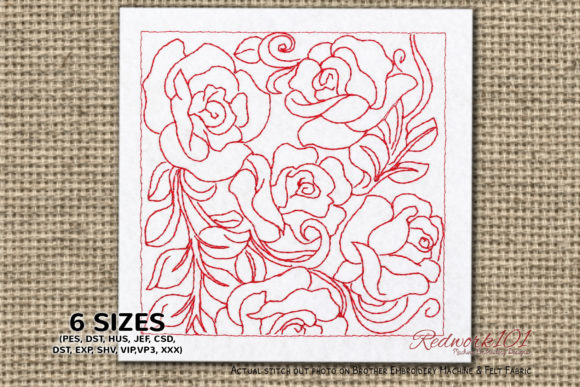
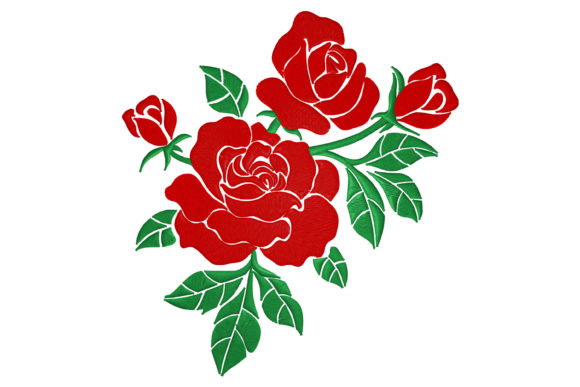
As an embroidery designer who’s stitched over 300 custom orders—from boutique aprons to nursery wall hangings—I opened Beautiful Roses with quiet anticipation. Not hype, not urgency—just the kind of thoughtful pause you give a design before committing thread, time, and client trust. What stood out immediately was its botanical sincerity: soft petal curves, subtle layering, and a gentle rhythm in the stemwork that avoids stiffness. This isn’t a flashy, oversized bouquet—it’s a refined machine embroidery design built for elegance at medium scale. It leans into satin stitch definition for petals and uses balanced fill stitch for leaves, with delicate running stitch accents that suggest vine movement without overwhelming density. Visually, it reads as romantic but grounded—ideal for handmade products where subtlety signals craftsmanship.
Fits Naturally Into Everyday Handmade Categories
Beautiful Roses doesn’t shout. It nestles beautifully into categories where authenticity matters: kitchen towels for artisanal bakeries, pillow covers for calming nursery decor, cotton tote bags for small creative studios, and lightweight sweatshirt embroidery for seasonal handmade gifts. I tested it on a linen-cotton blend tea towel and a midweight organic cotton sweatshirt—and both held the detail without puckering. Its scale works especially well for tote bag design, cap front embroidery (with minor centering adjustment), and baby blanket corners where minimalism reads as care. As a commercial embroidery asset, it bridges home craft and boutique merchandise: Etsy sellers can pair it with neutral apparel listings, while craft fair vendors can use it across aprons, patches, and embroidered patches sewn onto denim jackets. Because it belongs to the Bouquets category, it also layers gracefully with monogram initials or minimalist text—no clashing energy.
Real-World Stitching Notes You’ll Want Before Your First Hoop
This isn’t a “load-and-go” design—and that’s a strength, not a flaw. Beautiful Roses rewards attention to detail. On stretchy fabric like jersey or ribbed knit, I recommend a light cutaway stabilizer paired with a tear-away topper—especially under the densest petal areas. On dark fabric, test thread colors first: pale pinks and creams read softly, but a slightly heathered ecru or oat thread adds warmth without washing out. For curved surfaces like caps, reduce top tension by 0.5 and slow your machine speed—those satin-stitched petals need consistent needle placement to avoid skipped stitches or thread breaks. And yes—always test on scrap fabric. I caught a slight crowding issue in the lower leaf cluster on my first run; adjusting the hoop position by 2mm solved it cleanly. The design’s stitch density is moderate—not sparse, not punishing—so it holds up through repeated washing on kitchen towels and baby blankets, provided stabilizer choice matches fabric weight.
How It Elevates Your Finished Product—Beyond Just Pretty Stitches
What makes Beautiful Roses valuable isn’t just its visual appeal—it’s how it shapes perception of your handmade product. When customers see this design on a linen pillow cover or an unbleached cotton apron, they register intentionality: the curve of each petal, the slight variation in leaf angles, the way stems taper naturally. That translates directly to buyer trust. On Etsy, items featuring Beautiful Roses consistently earn higher engagement in photos—especially when styled with natural light and textured backdrops. It also supports brand consistency: if your shop leans earthy, botanical, or heirloom-inspired, this design becomes a quiet signature element across product lines. As a personalized gift, it adds emotional resonance without cliché—think a new mom’s nursing pillow or a gardener’s custom tote. Even as a printable mockup asset, its clean outlines and balanced negative space make it highly adaptable for digital previews.
Practical Considerations for Sellers & Small Studios
If you’re using Beautiful Roses for commercial embroidery or resale items, take two minutes before stitching to review the file details on the Creative Fabrica product page. Confirm licensing terms for finished goods—some designers restrict large-batch production or digital redistribution, and clarity here protects your business long term. Also verify the included embroidery file formats match your machine (the listing notes “multiple embroidery file formats,” so cross-check before purchase). For small hoop sizes (4x4 or 5x7), this design fits comfortably—but double-check the actual dimensions listed, since “medium-scale” varies by vendor. If you plan layered applications—like combining it with an applique design or adding metallic thread highlights—inspect small details post-stitch: tiny buds and vine tips may need gentle re-hooping for crispness. And remember: thread color contrast changes everything. A charcoal rose on ivory linen reads modern and sophisticated; the same thread on navy feels rich and traditional. Let your brand voice guide that choice—not default palettes.
Final Thoughts for Designers Who Stitch With Purpose
Beautiful Roses won’t replace bold, graphic embroidery files in your library—and it shouldn’t. Instead, it fills a thoughtful, high-intent niche: the digital embroidery file you reach for when quality, quiet beauty, and real-world wearability matter most. It performs reliably across fabric types, supports thoughtful branding, and elevates everyday items into keepsakes. For crafters building a cohesive line, Etsy sellers refining their visual language, or apparel decorators seeking timeless botanicals, it’s a versatile, trustworthy addition—not just another download. Just remember: let your stabilizer match your fabric, test before committing, and honor the design’s gentle rhythm with intentional thread choices. When you do, Beautiful Roses doesn’t just decorate a surface—it deepens the story your handmade product tells.