Roses: A Timeless Bouquets Embroidery Design
First Impression: Soft, Elegant, and Naturally Charming
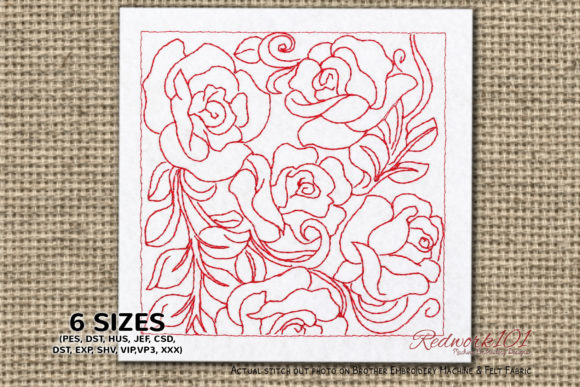
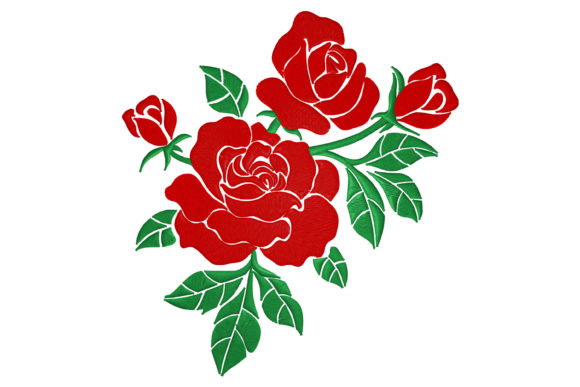
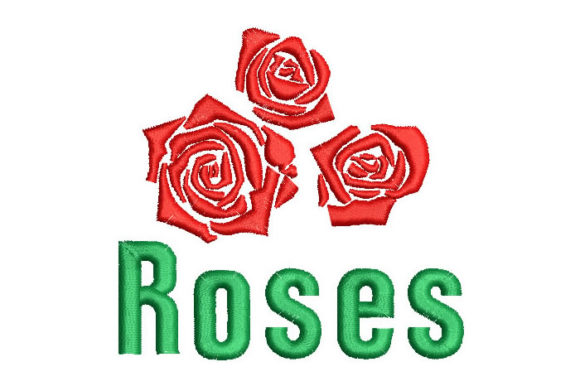
When I unzipped the Roses embroidery file, my first thought was: “This is booth-ready.” It’s not loud or trendy—it’s quietly confident. The description nails it: naturally charming. Roses reads as soft and elegant—not fussy, not overly romantic, not cartoonish. It leans into timeless botanical appeal with a gentle hand, making it ideal for farmhouse, modern cottagecore, and premium handmade aesthetics. For craft fair sellers, that means broad customer appeal: grandmothers pause at the pillow covers, Gen Z shoppers snap photos of the embroidered tote bags, and boutique buyers nod while checking thread contrast on aprons.
Where Roses Shines in Real Craft Fair Products
Roses isn’t just versatile—it’s *strategic*. Here’s where it delivers strongest in person:
- Tote bag design: Centered on natural canvas or oat linen, Roses becomes an instant signature. Its organic shape balances clean lines without competing—ideal for small shop product branding.
- Apron embroidery: Placed just below the pocket or along the waistband, Roses adds quiet luxury to functional wear. Customers associate it with care, craftsmanship, and kitchen heirloom energy.
- Tea towel embroidery: On white or ivory cotton terry, Roses pops with soft dimension. It photographs beautifully for Etsy listings—and feels giftable, even at $28.
- Embroidered patch: As a standalone motif, Roses holds detail well at 3–4" wide. Perfect for iron-on or sew-on applications on denim jackets, market bags, or kids’ backpacks.
- Pillow cover & pouch accents: Small-scale placement (e.g., lower corner or seam detail) elevates otherwise simple pieces. Buyers notice the intentionality—and pay more for it.
What Makes Roses Sell—Beyond the Stitch
Roses works because it’s instantly legible at 6 feet—but also rewards closer inspection. That duality is gold at craft fairs. Shoppers glance, pause, then lean in to trace petal layers. It feels handmade, not digitized. As a machine embroidery design, it avoids over-engineering: no micro-stitching, no fragile tendrils, no tiny lettering (since there isn’t any). That translates directly to fewer production hiccups and higher batch consistency.
For Etsy sellers and digital embroidery file creators, Roses is highly mockup-friendly. It scales cleanly across printable mockups—from tea towel flat lays to cap side views—without distortion. And yes, it photographs well on dark fabric *if* you choose high-contrast thread colors. Just avoid navy + charcoal gray unless you’re using metallic or matte white thread.
Careful-Use Notes Every Embroidery Designer Should Check
Roses is forgiving—but not magic. Before cutting fabric or loading hoops, test these:
- Fabric texture matters: On thick, napped towels or textured linen, Roses may soften slightly. Use medium-weight cutaway stabilizer and reduce top tension by 0.5 to preserve petal definition.
- Curved surfaces need adaptation: Caps and pouches require re-hooping or specialty frames. Roses’ gentle curves adapt better than rigid geometric designs—but always run a test on scrap before committing.
- Small sizes demand caution: Below 2.5", subtle layering can blur. If offering mini patches or keychain accents, confirm the smallest recommended size in the embroidery file metadata—or stitch a sample first.
- Dense areas exist: While not extreme, the center bud has moderate stitch density. On lightweight silk or rayon blends, add tear-away + topping to prevent puckering.
Booth Impact, Brand Strength, and Buyer Engagement
In my own craft fair setup last spring, Roses anchored three bestsellers: embroidered linen tea towels, reversible cotton-linen pouches, and minimalist aprons. Why? Because it created visual rhythm. When grouped with neutral textiles, Roses became the quiet focal point—not shouting, but *inviting*. Customers touched the petals. They asked, “Is this all one piece?” That’s engagement you can’t fake.
For small shop owners building brand consistency, Roses supports cohesion without monotony. Pair it with simple monograms or subtle leaf motifs—and you’ve got a full Bouquets collection that feels intentional, not algorithmic. It strengthens perceived value: a $32 pillow cover with Roses feels like a curated object, not just another handmade product.
Practical Embroidery Designer Notes Before You Produce
Before turning Roses into finished product, do this checklist:
- Test the design on scrap fabric matching your final product’s weight and weave.
- Check thread colors against your base fabric—especially on off-whites or ecru. Natural light changes everything.
- Review spacing: Does the design clear seams, zippers, or curved edges on your chosen item?
- Confirm hoop size compatibility with your machine—and whether resizing will affect stitch integrity.
- Inspect stitch density in the center bud and outer leaves. Adjust stabilizer type accordingly (cutaway for stretch knits, tear-away for stable wovens).
- Create at least one real mockup—not just a digital preview. See how light hits the raised stitches in person.
- Compare fabric colors side-by-side: ivory vs. bright white, oat vs. charcoal linen. Roses shifts mood dramatically across bases.
- Verify commercial licensing status. Since this is a machine embroidery design intended for resale, ensure your license permits finished product sales—especially for Etsy, wholesale, or craft fair booths.
Final Thought: Roses Is Booth-Ready, Not Just File-Ready
Roses isn’t just another digital embroidery file. It’s a conversation starter, a value amplifier, and a repeatable anchor for your handmade product line. It performs across categories—Bouquets, Embroidery, home goods, apparel—without losing its voice. In a crowded craft fair aisle, it doesn’t shout. It blooms. And that’s exactly why customers reach out, slow down, and say, “I need this.”