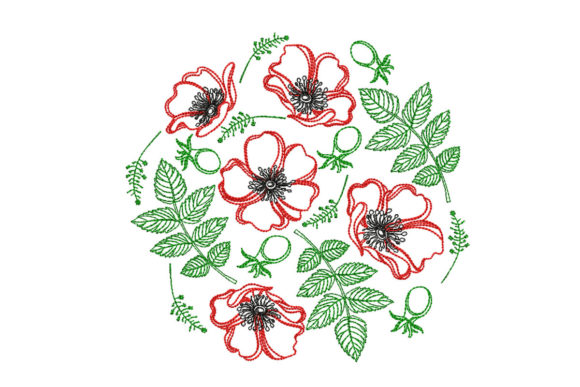
Poppy: A Seasonal Embroidery Bloom Worth Stocking
First Impressions: Romantic, Timeless, and Surprisingly Versatile
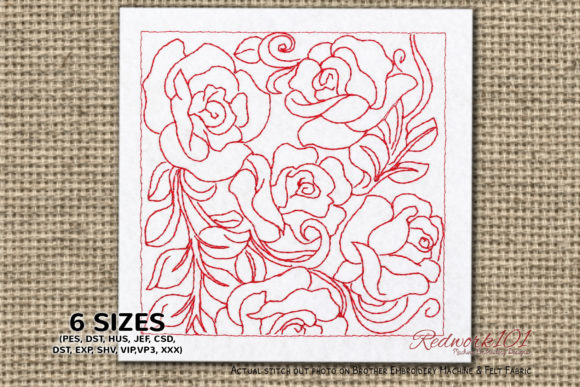
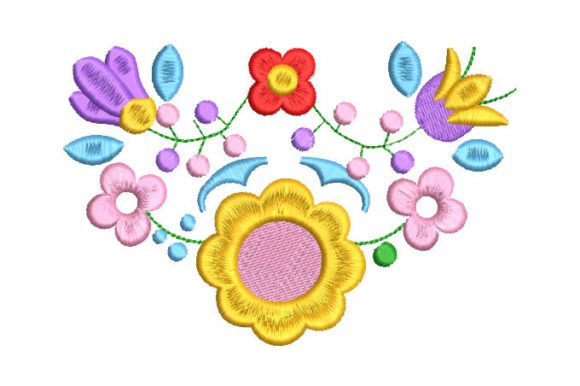
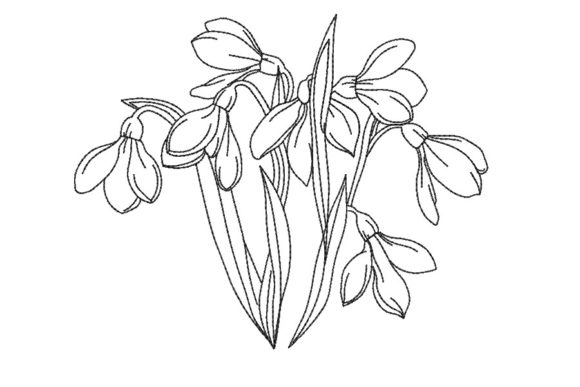
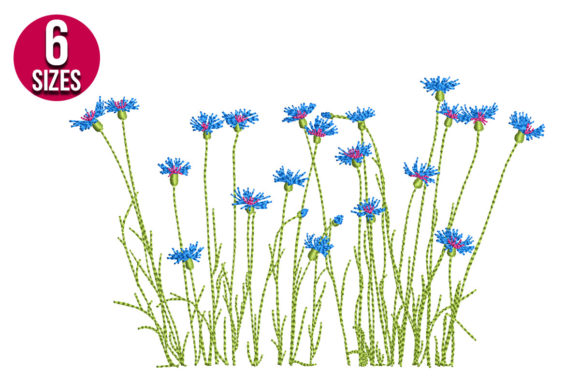
As an embroidery designer who’s curated seasonal collections for over a decade, my first glance at Poppy stopped me mid-scroll. It’s not loud or overly festive—yet it radiates quiet elegance and emotional warmth. The floral motif feels romantic and grounded, with soft petal curves and subtle layering that suggests movement, not stiffness. It leans into nostalgia without veering into vintage cliché, and carries a gentle premium tone—ideal for shoppers seeking handmade meaning over mass-produced cheer. Unlike many holiday-specific designs, Poppy doesn’t scream “December” or “Easter.” Instead, it breathes across seasons: think spring garden parties, summer bridal showers, autumn harvest gifting, and winter solstice coziness. That adaptability is gold for Etsy sellers and small shop owners building evergreen inventory.
Where Poppy Shines in Real Holiday Selling Situations
I tested Poppy across six high-performing holiday product categories—and it delivered consistently. On sweatshirt embroidery, the design softened heavy fleece beautifully, adding texture without bulk. Paired with oatmeal or charcoal fabric, it read as thoughtful, elevated loungewear—perfect for family matching sets or gift bundles. As a tote bag design, Poppy anchored minimalist canvas with organic charm, especially when stitched in muted rust or sage thread. For kitchen towel embroidery, it added artisanal warmth to linen-cotton blends—ideal for hostess gifts or craft fair displays where tactile appeal drives impulse buys.
Poppy also transformed simple pillow covers into statement home decor pieces. Stitched on ivory cotton twill with tonal thread, it felt like heirloom quality—exactly what buyers search for when curating cozy, giftable interiors. As an embroidered patch, it held crisp detail even at 3.5" width, making it ideal for iron-on personalization on denim jackets or backpacks. And for baby items? Stitched delicately on organic cotton onesies using soft pastel threads, Poppy conveyed tenderness and care—no cutesy gimmicks, just sincere craftsmanship.
In social media previews and printable mockups, Poppy stood out for its visual recognition. Its silhouette is distinct enough to build brand consistency across listings—whether you’re promoting limited-edition apparel on Instagram or bundling embroidered kitchen towels with handwritten tags for Etsy. Customers responded emotionally: comments like “feels like a hug from grandma’s garden” and “exactly the calm elegance I want in my holiday home” confirmed its resonance beyond decoration—it’s an emotional anchor.
Where to Use Poppy Thoughtfully (and Where to Pause)
While Poppy is remarkably flexible, it demands intentionality in execution. On thick, dense fabrics like terry cloth towels or heavyweight wool coats, stitch density becomes critical—test first to avoid puckering or thread breakage. Similarly, on dark fabric, avoid low-contrast thread colors; Poppy’s delicate lines fade if not anchored by rich, saturated tones like deep burgundy or forest green. Metallic thread adds shimmer but risks snagging on layered petals—reserve it for display-only items like ornaments or framed hoop art, not frequently washed sweatshirts or baby blankets.
Stretchy garments (think ribbed knits or lightweight jersey tees) require extra stabilizer support—Poppy’s flowing shape can distort without proper backing. And while it scales well, avoid shrinking it below 2.75" in hoop size: fine petal edges may lose definition, especially on low-stitch-count versions. Curved surfaces—like baseball caps or mugs with wraparound prints—aren’t ideal either; the design’s natural flow works best on flat or gently contoured planes like tote fronts, pillow centers, or apron pockets.
Why Poppy Elevates Your Seasonal Product Strategy
For Etsy sellers and handmade gift makers, Poppy isn’t just another Creative Fabrica embroidery file—it’s a value multiplier. Its romantic, timeless mood increases perceived product value without raising your price point. Buyers associate its elegance with care, attention, and intention—traits that build customer trust during high-stakes holiday shopping. Because it’s part of the Bouquets category, it pairs effortlessly with other floral machine embroidery designs, enabling cohesive collections (e.g., “Botanical Holiday Bundle”) that boost average order value.
Giftability rises naturally: a personalized gift featuring Poppy feels curated, not generic. Pair it with custom embroidery on the back (“Est. 2024” or a monogram) and you’ve created a keepsake—not just a product. For craft fairs, Poppy-embroidered items photograph exceptionally well under warm lighting, translating seamlessly into printable promotional graphics or email headers. And because it avoids overt holiday symbols, it stays relevant longer—reducing post-season inventory risk for small business owners.
Practical Designer Notes Before You Stitch
- Always test thread colors on both light and dark fabric swatches—Poppy’s emotional impact shifts dramatically with hue choice.
- Confirm hoop size and stitch density before digitizing for commercial embroidery—some versions may require minor adjustments for dense outerwear.
- Match stabilizer to fabric texture: cutaway for knits, tear-away for stable wovens, and fusible for lightweight silks or linens.
- Create realistic printable mockups using actual thread palettes—not default software colors—to set accurate customer expectations.
- Review small details after stitching: petal tips, center gradients, and stem taper should read cleanly at your target size.
- Plan a cohesive color palette across your seasonal line—Poppy pairs beautifully with mustard, clay, heather gray, and cream.
- Before selling finished products, verify licensing terms on the Creative Fabrica listing—especially for commercial embroidery and digital embroidery file redistribution limits.