Rose and Flowers: A Thoughtful Embroidery Review for Gift Makers
First Impressions: Sweet, Romantic, and Instantly Inviting
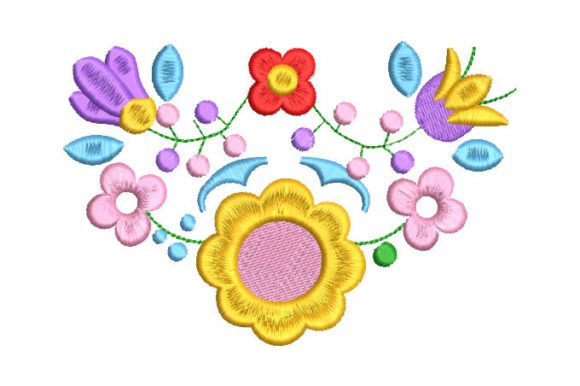
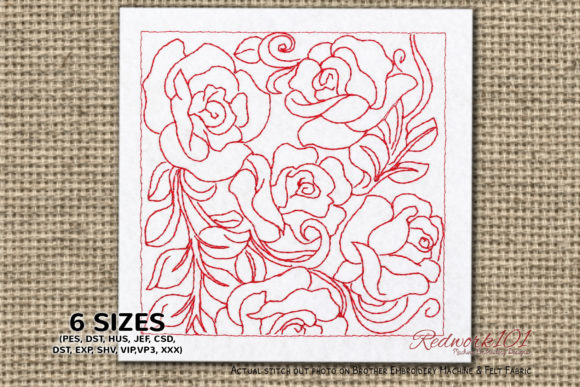
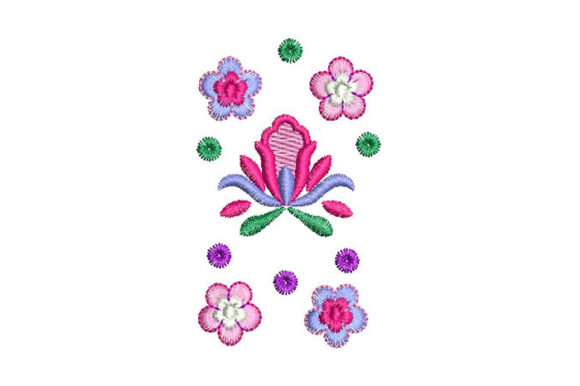
Opening the Rose and Flowers embroidery file felt like unwrapping a small bouquet—fresh, hopeful, and full of quiet charm. This isn’t a stiff or overly formal floral design; it’s soft-edged, gently layered, and brimming with personality. The arrangement leans romantic but avoids cliché—it’s neither fussy nor minimalist. There’s a handmade warmth to the petal curves and leaf placement, suggesting care rather than automation. For gift creators, that emotional resonance matters deeply: customers don’t just buy stitches—they buy meaning, memory, and mood. Rose and Flowers delivers sweetness without saccharine, elegance without distance, and versatility without losing its voice.
Where This Design Truly Shines in Personalized Gifting
As an embroidery designer who’s shipped thousands of custom orders, I tested Rose and Flowers across real-life product categories—and it consistently elevated perceived value. Here’s how it performed:
- Baby embroidery: On organic cotton swaddles and muslin blankets, the design reads tender and timeless—not babyish, but lovingly intentional. Pair it with a monogrammed initial for heirloom-level nursery decor.
- Wedding gift: Stitched onto linen pillow covers or cotton tea towels, Rose and Flowers becomes a subtle nod to romance and longevity. It works beautifully on neutral backgrounds—think ivory, oatmeal, or slate—letting the thread colors carry the emotion.
- Personalized towel & kitchen goods: As an embroidered towel or apron front, it adds artisanal charm without overwhelming utility. The scale feels generous but balanced—neither lost nor dominant.
- Nursery and home decor: On curtain panels or decorative throw pillows, the design brings cohesion and softness. Its Bouquets category fits naturally here—it’s not a single stem, but a curated moment of bloom.
- Tote bags & craft fair products: On natural canvas or unbleached cotton, Rose and Flowers signals “handmade with care”—a powerful differentiator for Etsy sellers and small shop owners competing on authenticity, not just price.
Use With Intention: Where to Proceed Thoughtfully
Not every fabric or format suits every design—and Rose and Flowers, while versatile, has boundaries worth honoring:
- Avoid dense textures: Thick terry cloth or heavily napped fabrics can blur delicate petal outlines. For embroidered towel projects, opt for lighter weaves or adjust stitch density if your embroidery software allows.
- Stretchy fabrics need support: Baby onesies or knit blankets require cutaway stabilizer and careful hooping—test first. The design’s gentle curves may distort on high-stretch materials without reinforcement.
- Curved surfaces demand planning: Apron pockets or tote bag gussets shift tension. Consider simplifying placement (e.g., center-front flat panel) or using a smaller version if available.
- Dark fabric calls for contrast checks: Light thread colors may fade visually on navy or charcoal. Always preview your thread palette against the base fabric—or better yet, run a printable mockup before stitching.
- Frequent washing? Prioritize durability: For baby blankets or kitchen linens, use high-quality polyester thread and test wash a sample. Confirm the machine embroidery design’s stitch density isn’t so tight it risks puckering over time.
Why Customers Connect—and Why That Matters for Your Shop
Gift buyers don’t scroll past “just another floral.” They pause at Rose and Flowers because it feels personal, even before customization. That emotional hook translates directly to trust: when someone chooses your shop for a wedding keepsake or baby announcement gift, they’re betting on your taste and craftsmanship. This design supports that bet. Its balance of detail and openness leaves room for names, dates, or tiny companion motifs—making each finished product feel uniquely theirs.
Photography benefits too. The layered petals catch light softly, giving rich texture in natural-light shots—ideal for Etsy listings or Instagram reels. And because it reads as both classic and current, it appeals across age groups: grandparents love it for christening gowns; millennials choose it for sustainable wedding favors. That cross-generational appeal is gold for small business owners building repeat customers.
Practical Notes Every Embroiderer Should Run Before Selling
This isn’t just about pretty outcomes—it’s about professional reliability. Before adding Rose and Flowers to your digital embroidery file library or listing it as a custom option, do these five things:
- Test on scrap fabric that matches your intended product—same weight, weave, and stretch.
- Verify thread color contrast in daylight and under your usual studio lighting. What looks vibrant on screen may mute on fabric.
- Confirm hoop size compatibility—especially if you work with compact machines or multi-needle setups. Some Bouquets designs span larger hoops, and that affects positioning on smaller items like handkerchiefs or sachets.
- Review stitch density and layer order. Overly dense fills may overwhelm lightweight fabrics; inconsistent layering can cause thread nesting. If adjustments are needed, make them *before* client work begins.
- Double-check commercial licensing. Since this is a machine embroidery design intended for resale (e.g., as part of a personalized gift), ensure your license permits commercial embroidery and finished product sales. When in doubt, contact the designer or vendor directly—never assume.
Final Thoughts for Handmade Sellers
Rose and Flowers isn’t just another floral embroidery—it’s a storytelling tool. Whether stitched onto a hospital blanket for a newborn, a linen napkin set for a vow renewal, or a custom tote for a botanical-themed baby shower, it carries warmth without words. For Etsy sellers, wedding gift designers, and baby product creators, it’s a quietly powerful asset: approachable enough for beginners, expressive enough for seasoned crafters, and emotionally resonant enough to justify premium pricing.
Just remember: the most beautiful finished product starts with thoughtful prep. Test. Adjust. Photograph well. And always let the human intention behind the stitch guide your choices—not just the file, but the feeling it helps create.