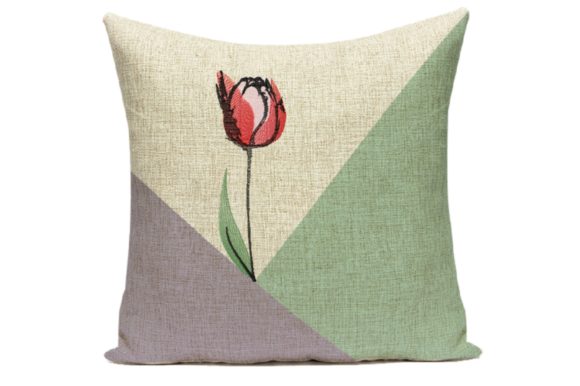
Tulip: A Seasonal Embroidery Staple Worth Stocking
First Impression: Fresh, Romantic, and Quietly Festive
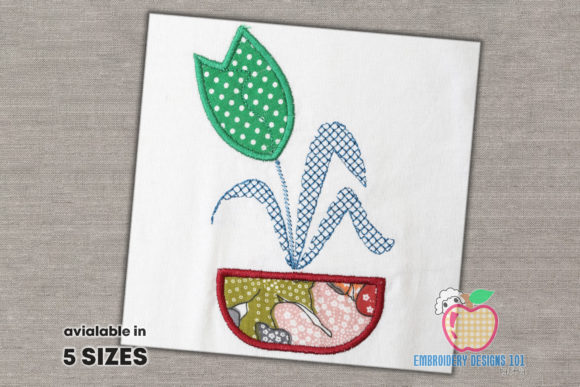
As an embroidery designer who’s built seasonal collections for over a decade, my first glance at Tulip stopped me mid-scroll—not with flash, but with quiet confidence. It’s not overly ornate or cartoonish; it breathes springtime optimism without leaning into cliché. The petal curves feel organic, the stem has gentle movement, and the subtle layering suggests depth—not complexity. Emotionally, Tulip lands as romantic and serene, with a soft elegance that reads premium on linen pillow covers and handmade gift tags alike. It’s nostalgic enough for vintage-inspired baby blankets, modern enough for minimalist tote bag designs, and versatile enough to anchor both Easter collections and Mother’s Day bundles. Unlike some holiday embroidery that shouts “celebration,” Tulip whispers “thoughtful”—a critical tone for shoppers seeking meaningful, non-trendy handmade gifts.
Where Tulip Shines in Real Holiday Selling Situations
In my own shop planning, I immediately pictured Tulip across high-conversion seasonal items: embroidered pillow covers styled beside ceramic mugs in Instagram carousels, kitchen towel embroidery stitched in sage green thread for spring brunch bundles, and delicate Tulip patches sewn onto denim aprons for craft fair booths. Its clean silhouette scales beautifully—from 2.5” on a baby onesie to 4.5” on a dining rug—making it ideal for gift-ready product tiers. As an Etsy seller, I know listings with cohesive floral themes convert better during March–May; pairing Tulip with matching monogram files or coordinating leaf motifs builds trust and encourages cart upsells. For limited-edition apparel, a single Tulip on the left chest of a cream sweatshirt reads intentional, not generic—especially when paired with natural fiber descriptions and printable mockups showing real fabric texture. And because it avoids heavy fill stitching, Tulip renders cleanly in social media previews and printable promotional graphics, helping small shop products stand out in crowded holiday feeds.
Smart Placement & Where to Proceed with Care
Tulip is forgiving—but not foolproof. On thick terry cloth kitchen towels or dense eco-bags, stitch density matters. If the file includes dense satin-fill petals, test on scrap fabric first and consider lightening underlay or switching to a tear-away + cut-away stabilizer combo. For dark fabric, avoid light pastel thread colors unless you’re using a stabilizer with strong opacity—or opt for tonal embroidery (e.g., deep burgundy thread on charcoal linen) to preserve detail. Metallic thread? Beautiful in theory, but Tulip’s fine stem lines and petal edges may snag or break if metallics aren’t tension-calibrated—reserve those for finished product mockups, not production runs. Stretchy garments like ribbed knit sweatshirts need basting + lightweight cut-away stabilizer beneath the hoop; skip curved caps entirely unless you’ve confirmed the design’s hoop size fits standard cap frames. And never assume tiny lettering pairs seamlessly—Tulip works best solo or with minimal text (e.g., “Spring 2025” in clean sans-serif), not nested inside petals.
How Tulip Elevates Seasonal Appeal—and Why That Matters
Holiday shopping isn’t just about timing—it’s about emotional resonance. Tulip taps into universal associations: renewal, gentle celebration, quiet beauty. That translates directly to buyer emotion—customers don’t just buy a machine embroidery design; they buy the feeling of gifting something tender and timeless. That feeling lifts perceived product value, especially for personalized gifts where stitching quality signals care. Visually, Tulip creates instant recognition across your collection: same flower, different applications (tote bag design → pillow cover → embroidered patch) builds brand consistency without repetition. For small business owners, that cohesion means less time explaining “what you do” and more time converting browsers—critical during peak Etsy search windows. And because it belongs to the Single Flowers category, it slots naturally alongside other botanical embroidery without competing for attention. In short: Tulip doesn’t just decorate a product—it anchors a seasonal story.
Practical Designer Notes Before You Stitch
- Test thread colors on both light and dark fabric—especially for gradients or tonal effects. What reads soft blush on ivory may vanish on navy.
- Check stitch density before scaling up. High-density fills can pucker thin cotton or overwhelm delicate baby items.
- Confirm hoop size early—some versions of Tulip may offer multiple sizes; match the largest version to your most common production hoop.
- Use proper stabilizer for each substrate: cut-away for knits, tear-away for stable wovens, and fusible + tear-away for lightweight linens.
- Create realistic mockups—not just white backgrounds. Show Tulip on actual fabric swatches, folded towels, or pillow inserts to preview how light hits the stitches.
- Review small details after stitching: petal tips, stem taper, and inner calyx lines should remain crisp—not fuzzy or lost in under-stitching.
- Plan matching color palettes in advance: sage, terracotta, oat, and slate make a versatile, seasonless set for holiday embroidery bundles.
- Confirm commercial licensing before selling finished seasonal products—this applies whether you’re embroidering pillow covers for Etsy or creating wholesale embroidered patches.
Final Thought: Tulip Isn’t Just a Design—It’s a Seasonal Strategy
For embroidery sellers and handmade gift makers, choosing the right machine embroidery design isn’t about prettiest—it’s about practicality, emotional alignment, and repeat usability. Tulip delivers all three. It performs across categories (Embroidery, home goods, apparel), supports storytelling (spring renewal, quiet joy, family warmth), and adapts without losing identity. Whether you’re launching a small shop product line, prepping for craft fairs, or building a digital embroidery file bundle for holiday shoppers, Tulip earns its place—not as filler, but as foundation. In a market flooded with loud, fleeting trends, sometimes the most powerful seasonal embroidery is the one that simply feels like home.