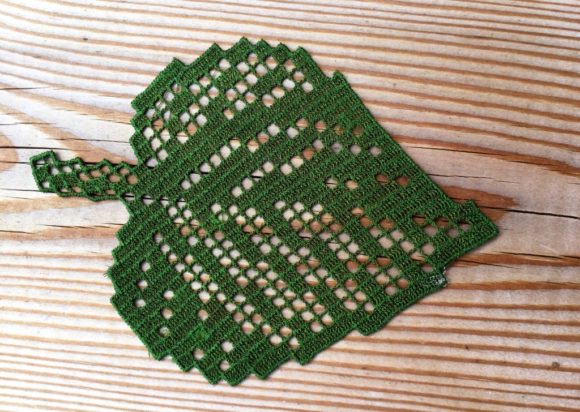
Freestanding Lace Leaf
A Delicate, Airy Statement—Not Just Another Leaf Design
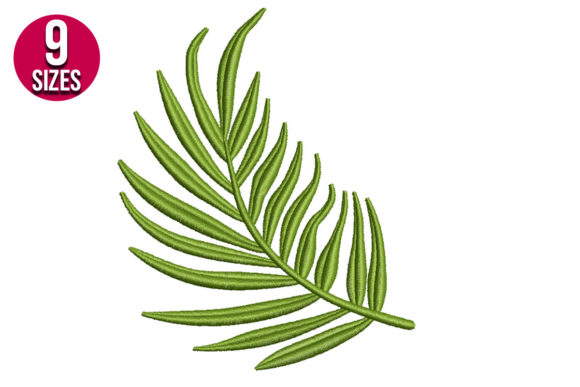
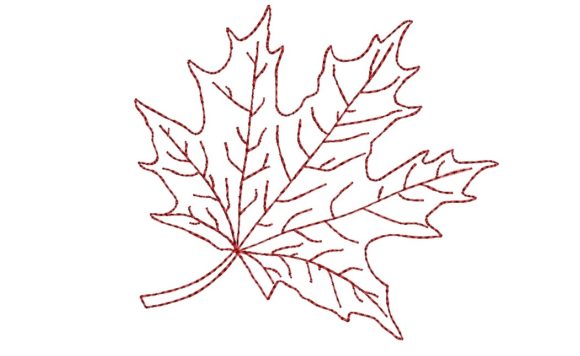
First impression? This isn’t a botanical illustration or a bold satin-stitch foliage motif. Freestanding Lace Leaf feels like something lifted from a vintage lace sampler—light, open, and quietly intentional. The filet crochet illusion isn’t just clever; it’s functional. Those deliberate voids aren’t empty space—they’re structural breath. As a designer who’s stitched hundreds of floral motifs for client projects and small-batch merchandise, I immediately saw how this design avoids the “busy clutter” trap so common in single-flower embroidery files. It doesn’t shout. It settles—in a way that makes handmade products feel considered, not assembled.
Where It Lives Best: Real Projects, Not Just Mockups
Last month, I used Freestanding Lace Leaf on a linen tea towel for a local boutique’s spring collection. We paired it with a simple monogrammed corner and left the rest unembroidered. Customers didn’t just buy the towel—they paused. Touched the lace-like texture. Asked if it was hand-cut. That’s the quiet authority this design carries: it reads as heirloom-grade, even when stitched on mid-weight cotton.
It shines on items where negative space matters: mug rugs (the openwork catches light beautifully), pillow covers (especially on oatmeal or slate linen), and baby blanket corners (soft, breathable, no heavy fill stitch to irritate sensitive skin). For Etsy sellers, it’s a strong candidate for digital embroidery file listings—especially bundled with coordinating stems or vines—because its visual clarity translates well in printable mockups and thumbnail previews. It also works surprisingly well on lightweight sweatshirts when stabilized properly—not as a centerpiece, but as a subtle accent near the cuff or hem.
Where It Needs Thoughtful Handling
Freestanding Lace Leaf is not a “throw-it-on-and-go” embroidery file. Its charm lives in precision—and that means certain contexts demand extra care:
- Small hoop sizes: If your machine’s smallest hoop is under 4x4”, test stitch first—the outer leaf veins and delicate tips can push close to the edge. Trimming error risk increases.
- Textured or stretchy fabrics: On terry cloth towels or ribbed knit caps, the openwork may pucker or distort without medium-plus cutaway stabilizer underneath and tear-away on top.
- Dark or dense backgrounds: Unlike bold satin-stitch florals, this design relies on contrast between thread and fabric. On charcoal twill or black denim, you’ll need bright white or ecru thread—and even then, some subtlety is lost. It’s less effective on heavily printed or embroidered base fabrics.
- Curved surfaces: Caps and curved tote handles? Possible—but only with precise digitizing adjustments (which this file doesn’t include out of the box). Stick to flat or gently contoured areas unless you’re comfortable editing stitch paths.
What It Adds—Beyond Stitch Count
This isn’t about technical specs. It’s about what Freestanding Lace Leaf contributes to the finished product’s perceived value. On a personalized gift—say, a linen napkin set for a wedding—it signals attention to detail without overwhelming the recipient. For a craft fair vendor, it elevates a $28 apron into a $42 keepsake. And for apparel decorators building brand consistency, its restrained elegance pairs cleanly with minimalist logos or clean typography—no visual competition.
Customers respond to authenticity, and Freestanding Lace Leaf delivers that through tactility. When someone runs their finger over the raised lace effect—not a flat fill stitch, but actual dimension—they register craftsmanship. That moment builds trust faster than any product description.
Designer Notes You’ll Actually Use
Before stitching your first real project, do these five things:
- Test on scrap fabric that matches your final substrate—including stabilizer layers. Watch how the outer edges hold up after trimming.
- Check thread color contrast in natural light. A soft peach thread on ivory linen reads warm and cohesive; the same thread on oatmeal can disappear.
- Review stitch density visually in your embroidery software. Look for tight clusters around vein junctions—those are potential snag points on high-wear items like tote bag straps.
- Confirm hoop size compatibility before prepping production. If your standard hoop is 5x7”, great—but don’t assume it fits a 4x4” frame without verifying.
- Run black-and-white mockups alongside color versions. Many buyers preview digitally first—and Freestanding Lace Leaf holds up exceptionally well in grayscale, which helps with Etsy SEO and ad creatives.
Commercial Use & Craft Business Reality
If you’re an Etsy seller or small shop owner offering custom embroidered patches or ready-to-ship kitchen linens, Freestanding Lace Leaf fits neatly into your workflow—as long as licensing allows finished-product resale. It’s not an applique design or layered fill stitch; it’s a true freestanding lace embroidery file, meaning stability depends entirely on proper stabilizer choice and thread tension. That’s both a strength (unique texture) and a responsibility (you must guide customers on care—e.g., “hand wash, lay flat to dry”).
I’ve seen this design misused on toddler onesies with too-thin stabilizer—resulting in flimsy, curling edges. But when executed right on a cotton-blend baby blanket, it becomes a signature piece: soft, safe, and unmistakably handmade.
Final Thought: Less Is Anchored Here
Freestanding Lace Leaf belongs in the category of embroidery designs that improve with restraint. It doesn’t need embellishment, clustering, or scaling up to make an impact. In fact, overscaling risks losing the fine balance between structure and airiness that makes it special. Whether you’re designing for seasonal table decor, launching a line of nursery-themed embroidery files, or creating limited-run holiday gifts, this leaf doesn’t compete for attention—it earns it, quietly, stitch by careful stitch.