Amaryllis Single Stitch Pattern
First Impression: Spring-Elegant, Not Over-Designed
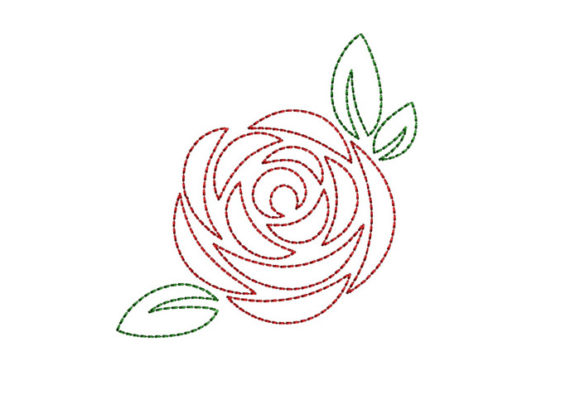
As an embroidery designer who’s prepped over 200 craft fair booths, my gut reaction to Amaryllis Single Stitch Pattern is immediate: it reads as spring-elegant—not fussy, not cartoonish, and definitely not generic. “Bright and pretty” isn’t just marketing fluff here; the amaryllis silhouette carries natural grace—bold petals, clean lines, and subtle asymmetry that feels handmade, not algorithmic. It leans into the Single Flowers category with quiet confidence: no filler leaves, no busy stems, no forced whimsy. That makes it instantly recognizable at 6 feet—the sweet spot for booth browsing. Customers don’t pause to decode it; they *feel* its freshness.
Where It Shines in Real Craft Fair Products
In my booth rotation, Amaryllis Single Stitch Pattern performs strongest on products where elegance meets utility:
- Tote bag design: Centered on a natural canvas or oat linen tote, it reads as boutique—not craft-fair-casual. The scale holds up beautifully at 4–5 inches wide.
- Apron embroidery: Positioned just above the pocket (not centered), it adds artisanal charm without overwhelming the garment’s function.
- Tea towel embroidery: On tightly woven cotton or linen-look towels, the design pops with crispness—especially with high-contrast thread colors like coral on ivory or deep green on cream.
- Embroidered patch: With clean edges and moderate stitch density, it presses flat and sews cleanly onto denim jackets or market bags—ideal for Etsy sellers offering customizable add-ons.
- Pillow cover & small pouch: As a single focal point, it elevates otherwise simple items into giftable handmade product territory. No need for borders or frames—it stands alone.
It’s less effective on curved surfaces like caps (petal tips risk distortion) or ultra-textured towels (heavy terry can swallow fine petal definition). Save it for smooth-to-medium fabric textures.
Production Practicality: Fast, Flexible, Repeatable
This is where Amaryllis Single Stitch Pattern earns its keep for small shop owners and digital sellers. Its simplicity translates to real-world efficiency:
- At-a-glance clarity: No nested elements or tiny lettering—just one cohesive floral form. New stitchers grasp placement instantly; experienced embroiderers batch-hoop five at once.
- Scalability: Works equally well at 3" (for patches or pouches) and 6" (for pillow covers or aprons) without losing integrity—no pixelation, no stitch crowding.
- Photography-friendly: Clean lines and balanced negative space make it ideal for printable mockups and Etsy listings. It photographs true-to-life—no retouching needed to clarify detail.
- Batch production ready: Low stitch count (implied by “single stitch” and clean description) means faster run times, less thread waste, and consistent results across dozens of tea towels or tote bags.
Careful-Use Notes: Protect Your Handmade Quality
Even elegant designs have limits. Before cutting fabric or loading hoops, test these variables:
- Fabric texture: Avoid heavy terry cloth or thick canvas unless you reinforce with cutaway + tear-away stabilizer combo.
- Dark fabric: Use bright, saturated thread colors (e.g., magenta, butter yellow) to maintain vibrancy—avoid pastels on navy or charcoal.
- Small sizes: Below 2.5", petal tips may blur on low-DPI embroidery machines. Always test at your smallest intended size.
- Dense areas: Though described as “single stitch,” review the actual embroidery file for tight petal clusters—these benefit from medium-weight cutaway stabilizer to prevent puckering.
Booth & Brand Impact: Why It Converts
In a sea of polka dots and cursive quotes, Amaryllis Single Stitch Pattern delivers visual breathing room. At craft fairs, it draws the “slow look”—not the quick grab. That pause is where connection happens. When paired with neutral-toned handmade product (linen aprons, unbleached cotton totes), it signals intentionality and refined taste. For Etsy sellers, it supports brand consistency: imagine a spring collection anchored by this one floral motif across tea towels, pouches, and pillow covers—cohesive, calm, commercially distinct.
It also strengthens booth display strength. Mounted on a framed linen sampler beside a matching embroidered market bag, it becomes a silent sales tool—no signage needed. Buyers see craftsmanship, not clutter.
Designer’s Must-Do Checklist Before Selling
Before turning Amaryllis Single Stitch Pattern into finished product—or listing it as a commercial embroidery option—run through this list:
- Test the embroidery file on scrap fabric matching your target product (e.g., tea towel weight, canvas tote base).
- Check thread contrast under both daylight and booth lighting—some greens shift dramatically under warm LED.
- Review spacing between petals and stem: ensure no floating stitches or unintended gaps.
- Confirm hoop size compatibility with your primary machine—don’t assume “standard” fits all brands.
- Inspect stitch density visually: if petals appear overly filled, adjust underlay or reduce density for breathability.
- Use the right stabilizer—cutaway for stretchy fabrics, tear-away for stable weaves like quilting cotton.
- Create at least one real mockup (not just digital): photograph it in natural light, styled with complementary handmade product.
- Compare how it looks on three fabric colors (light, medium, dark) to guide customer recommendations.
- Verify commercial licensing terms—if selling finished goods, confirm the digital embroidery file permits resale of physical items.
Remember: the best craft fair product isn’t just stitched—it’s considered, tested, and trusted. Amaryllis Single Stitch Pattern gives you that foundation. Now go make something people want to hold, gift, and remember.