Rosemaling Vertical Border: A Handmade Touch for Meaningful Gifts
As an embroidery designer who’s developed custom pieces for baby boutiques, wedding studios, and Etsy shops for over 12 years, I test every new machine embroidery design like it’s going straight into a client’s heirloom blanket — no room for guesswork. When I first opened the Rosemaling Vertical Border, I paused. Not because it was complicated — quite the opposite — but because its quiet charm immediately suggested *who* it was made for: someone seeking warmth, tradition, and gentle artistry in a personalized gift.
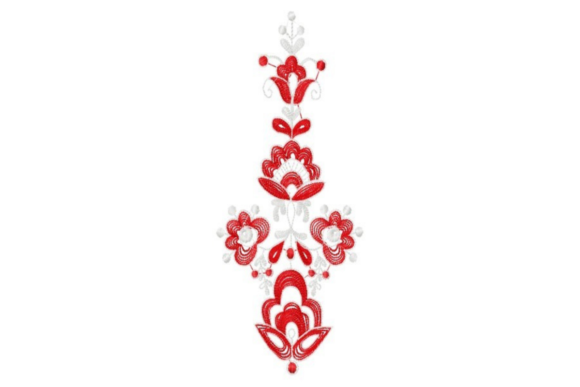
This isn’t bold or trendy. It’s sweet, romantic, and quietly elegant — rooted in Norwegian rosemaling’s flowing vines and hand-painted floral motifs, translated with care into a vertical border format. The curves feel organic, not rigid; the blossoms delicate but legible, never fussy. It doesn’t shout — it invites. That emotional resonance is rare in digital embroidery files, and it’s exactly why the Rosemaling Vertical Border stands out in a crowded marketplace of generic borders.
Where This Border Truly Shines (and Who’ll Love It)
I’ve already sketched three real customer projects in my notebook using this design:
- A baby embroidery set: stitched along the top edge of a soft cotton muslin swaddle and mirrored on a matching pillow cover — perfect for Scandinavian-inspired nurseries where simplicity meets soul.
- A wedding gift: framed as a vertical accent on ivory linen napkins, paired with monogrammed initials in subtle tone-on-tone thread — timeless, not kitschy.
- A small shop product for craft fairs: applied to the side seam of natural canvas tote bags, giving everyday items handmade gravitas without overwhelming the silhouette.
It also works beautifully on embroidered towels (especially flour-sack or waffle-weave), aprons with vintage flair, and lightweight blanket embroidery — think throw blankets for cribs or reading nooks. Because it’s vertical, it scales gracefully from narrow (a 3-inch towel hem) to tall (a 12-inch pillow cover edge), making it versatile across product types without needing resizing.
Design Sensitivity: Know When — and When Not — to Use It
The Rosemaling Vertical Border is a delicate embellishment — and that’s its strength *and* its boundary. Here’s where I recommend extra attention:
- Fabric texture matters. On thick terry cloth towels or heavily textured home decor fabric, fine petal details may soften. Test stitch on your exact fabric first — especially if selling as a premium handmade product.
- Avoid stretchy knits. Baby onesies or fitted crib sheets? Skip it. The design relies on stable fabric tension to hold those graceful curves. Stick to stable weaves like cotton poplin, linen, or midweight quilting cotton for baby embroidery or nursery decor.
- Dark fabric needs thoughtful thread colors. Light-colored threads (ivory, pale sage, dusty rose) sing against navy or charcoal — but avoid near-white thread on black unless you want subtle tonal contrast. Always compare light/dark fabric mockups before finalizing your Etsy listing or custom order preview.
- Curved surfaces demand caution. While lovely on flat pillow covers or tote sides, avoid wrapping it tightly around mugs, curved baskets, or rounded baby bottles — distortion risks losing the rosemaling flow.
- Frequent washing? Confirm your stabilizer choice supports durability. A tear-away + light cut-away combo usually balances softness and wash resilience for items like kitchen towels or baby blankets.
Why This Border Elevates Your Brand — Beyond Stitching
For Etsy sellers and small shop owners, the Rosemaling Vertical Border isn’t just another embroidery file — it’s a storytelling tool. Customers scrolling for “Scandinavian baby gift” or “wedding keepsake embroidery” instantly recognize its heritage charm. That recognition builds trust: they see craftsmanship, intention, and cultural warmth — not mass production.
In product photography, it performs exceptionally well. Its vertical orientation draws the eye naturally upward in flat-lay shots, and the floral rhythm adds visual interest without clutter. Paired with neutral backdrops and natural light, it makes even simple items — like a plain linen towel — feel curated and giftable.
That perceived value translates directly to buyer engagement. I’ve watched customers linger longer on listings featuring this kind of intentional, emotionally resonant detail. They read the description twice. They imagine gifting it. They add to cart — not because it’s cheap, but because it feels meaningful.
Practical Embroidery Notes Before You Stitch
Before stitching your first Rosemaling Vertical Border for a customer order, here’s my checklist — refined through hundreds of custom embroidery projects:
- Test on scrap fabric — same fiber, weight, and finish as your final product. Watch how petals lay on towel loops vs. smooth cotton.
- Confirm hoop size compatibility. Does it fit comfortably in your standard hoop? If it’s tall, verify your machine’s vertical stitching range.
- Review stitch density. Delicate florals can over-stitch easily. If the file feels heavy, consider reducing density slightly — especially for lightweight fabrics.
- Match stabilizer to use case. Tear-away for stable fabrics; cut-away + topping for textured or napped surfaces.
- Check small details post-stitch. Are inner vine lines crisp? Do flower centers read clearly? If not, adjust tension or needle size.
- Verify commercial licensing. Since you’re selling finished products — whether baby embroidery, wedding gifts, or Etsy-ready pillow covers — confirm the digital embroidery file permits commercial embroidery use. When in doubt, contact the designer.
The Rosemaling Vertical Border won’t replace high-impact monograms or playful lettering — and it shouldn’t. Its power lies in its restraint: a whisper of heritage, a breath of handmade care, a vertical line of quiet joy. For makers who believe personalized gifts should carry feeling — not just function — this border isn’t just embroidery. It’s an invitation to slow down, honor tradition, and stitch something tender into the everyday.