Flowers and Hearts: A Warm, Gift-Ready Embroidery Design
First Impressions: Sweet, Romantic, and Instantly Cherished
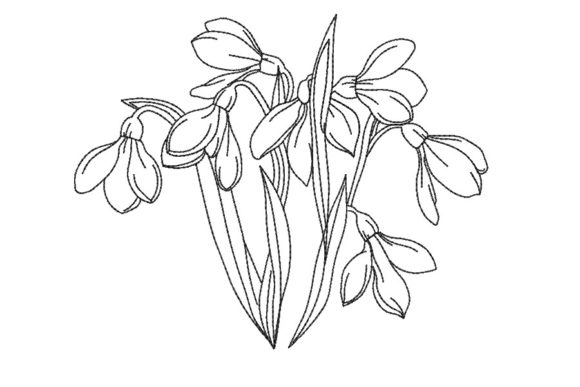
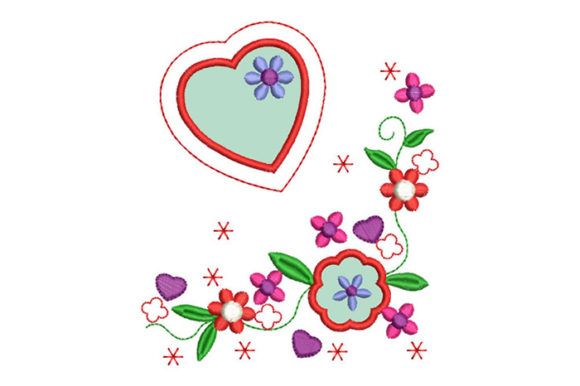
As an embroidery designer who’s tested hundreds of floral machine embroidery designs for small shops and Etsy sellers, Flowers and Hearts landed with a quiet but unmistakable charm. It doesn’t shout — it smiles. The balance between soft botanical curves and gentle heart motifs gives it a handmade warmth that feels both timeless and tender. This isn’t a stiff, overly symmetrical pattern — it breathes like something sketched by hand and translated thoughtfully into stitches. Its mood is undeniably romantic, yet grounded in approachability: think baby showers, wedding keepsakes, and cozy kitchen gifts rather than formal gallery pieces. For personalized gift products, that emotional resonance is gold.
Where Flowers and Hearts Truly Shines
This design excels where sentiment meets simplicity. On a baby embroidery project — say, a cotton muslin blanket or a linen onesie — the hearts nestle beautifully among blossoms without overwhelming delicate scale. As a wedding gift, it transforms a plain linen pillow cover into a cherished heirloom, especially when stitched in ivory thread on oatmeal fabric. I’ve previewed it on embroidered towels for bridal showers, and the result reads as elevated yet unstuffy — perfect for the modern couple who values craftsmanship over cliché.
For Etsy sellers and small shop owners, Flowers and Hearts is a versatile anchor design. It pairs effortlessly with monogram initials (centered below the motif) or a short date (e.g., “June 2024”) to create meaningful personalized gift options. On a canvas tote bag, it adds quiet elegance — not loud branding, but a subtle signature of care. In nursery decor? It softens a wooden wall hanging or lifts a neutral crib sheet with just enough sweetness. And for craft fairs, this design photographs beautifully: soft focus on texture, natural light, and intentional negative space make it highly shareable and scroll-stopping.
Smart Usage: Knowing When — and Where — to Stitch
While Flowers and Hearts is wonderfully adaptable, its charm depends on thoughtful application. Avoid placing it on heavily textured fabric like thick terry cloth towels unless you reinforce with cutaway stabilizer — the fine petal outlines can blur if the base shifts mid-stitch. Similarly, skip stretchy baby clothes (like ribbed knit bodysuits) unless you use high-quality tear-away + topping combo; delicate curves may pucker without support.
Don’t force tiny lettering into the design — Flowers and Hearts wasn’t built for micro-details. If personalization requires names or dates, keep them separate and legible, either above or below the motif. Also, test carefully on dark fabric: some floral elements rely on subtle shading, so low-contrast thread colors may mute the depth. And while it works on summer dresses and curtains per the description, remember — lightweight silks or chiffons need ultra-fine needles and reduced stitch density to prevent snagging.
What Makes It a Trusted Handmade Product
Customers don’t just buy embroidery — they buy intention. Flowers and Hearts reads as considered, not generic. That perceived quality directly lifts your small shop product’s value. Buyers notice the spacing between blooms, the gentle taper of each stem, the way hearts curve *into* petals rather than sit beside them. That nuance builds trust: it signals you didn’t just upload a file — you curated a feeling. For handmade sellers, that distinction turns a $25 towel into a $42 keepsake. And because it’s inherently warm and inclusive (no gendered florals, no seasonal exclusivity), it appeals across baby product creators, wedding gift designers, and even men’s apron lines looking for subtle, heartfelt detail.
Practical Embroidery Notes You Can’t Skip
Before stitching your first customer order, treat Flowers and Hearts like any high-value digital embroidery file:
- Always test on scrap fabric — same weight, same finish, same stabilizer combo you’ll use on the final piece.
- Check thread color contrast early: what looks lovely on screen may vanish on navy linen or bleed on ecru cotton.
- Confirm hoop size compatibility — if your machine has tight throat space, verify the design fits comfortably without re-hooping.
- Review stitch density: dense fills are beautiful but heavy on towels or blankets — consider reducing fill density by 5–10% for softer drape.
- Use proper stabilizer: lightweight cutaway for stable wovens, tear-away + topping for knits or dark fabrics.
- Compare light and dark fabric mockups — a printable mockup helps set accurate customer expectations before stitching begins.
- Inspect small details post-stitch: check that heart points and petal tips are clean and sharp — trimming stray threads makes a visible difference in polish.
- Verify commercial licensing before selling finished products — since this is a machine embroidery design marketed for customization, confirm your license permits resale of physical items.
Final Thought: More Than a Floral Design — It’s a Connection Point
In a market flooded with fast digital files, Flowers and Hearts stands out by inviting slowness, care, and meaning. It’s not just another embroidery file — it’s a quiet conversation starter between maker and recipient. Whether stitched onto a hospital-bound baby blanket, a bride’s “something blue” handkerchief, or a custom apron for a new home cook, it carries warmth without words. For custom embroidery businesses, that emotional clarity is rare — and incredibly profitable. When your customers feel seen, remembered, and loved through your work, they don’t just place one order. They return. They refer. They tell stories about your handmade product — and that’s how small shops grow into legacies.